

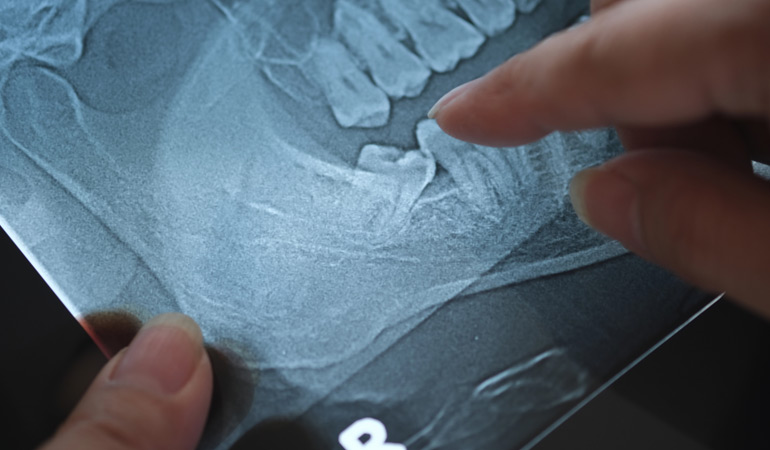
Wisdom teeth—also known as third molars—are the last set of teeth to develop, usually appearing between the ages of 17 and 25. For some people, these teeth erupt without causing any problems. For many others, however, wisdom teeth can lead to discomfort, oral health complications, and the need for extraction.
At Weston Dental Office, we often hear patients ask, “Is wisdom teeth removal really necessary?” The answer depends on several factors, including how the teeth erupt, their alignment, and whether they’re causing or are likely to cause oral health problems.
Let’s explore the reasons why wisdom teeth may need to be removed, what can happen if they’re not, and what to expect if extraction becomes necessary.
Why Do We Have Wisdom Teeth?
From an evolutionary standpoint, wisdom teeth served a useful purpose for our ancestors. Early human diets consisted of rough, coarse foods like roots, nuts, and raw meats, which required more chewing power. These third molars helped with that. However, modern diets and improved dental hygiene have made wisdom teeth largely obsolete.
Additionally, human jaws have become smaller over time, leaving less room for these late-developing molars. As a result, wisdom teeth often become impacted or misaligned.
Common Reasons for Wisdom Teeth Removal
Not everyone needs their wisdom teeth removed, but here are the most common reasons extractions are recommended:
1. Impacted Wisdom Teeth
When a wisdom tooth doesn’t have enough room to emerge properly, it can become impacted—trapped under the gum or against another tooth. Impacted teeth can cause pain, swelling, and infection.
2. Crowding and Misalignment
If there isn’t adequate space in your mouth, wisdom teeth may push against neighbouring teeth, causing crowding or shifting in your bite. This can affect the results of previous orthodontic work.
3. Tooth Decay and Gum Disease
Wisdom teeth are located at the back of the mouth, making them harder to clean effectively. Food and bacteria often get trapped around them, leading to cavities or gum disease. If these issues persist, extraction is often the best solution.
4. Cysts and Jaw Damage
In some cases, impacted wisdom teeth can lead to cyst formation in the jawbone. These fluid-filled sacs can damage nerves, bone, and other teeth if left untreated.
When Is Removal Not Necessary?
If your wisdom teeth have fully erupted, are aligned correctly, and aren’t causing any pain or oral health issues, your dentist may suggest keeping them. However, this decision should be based on regular dental exams and X-rays to monitor potential future issues.
It’s also important to remember that just because you’re not in pain doesn’t mean there isn’t a problem. Some impacted or partially erupted wisdom teeth can cause damage silently over time, which is why preventive removal is often advised.
What to Expect During Wisdom Teeth Extraction
If your dentist or oral surgeon recommends removing your wisdom teeth, you’ll likely have a straightforward outpatient procedure. Here’s what the process typically looks like:
- Initial Consultation: Your dentist will take X-rays to assess the position of your wisdom teeth and determine the best course of action.
- The Procedure: Depending on your case, the extraction may involve a simple pull or a surgical procedure if the tooth is impacted. Sedation options such as local anesthesia, IV sedation, or general anesthesia are available for comfort.
- Recovery: After the procedure, you may experience swelling, bruising, and mild discomfort. Most patients recover within a few days to a week, following aftercare instructions such as eating soft foods, avoiding straws, and keeping the extraction site clean.
Why Early Evaluation Matters
The Canadian Dental Association recommends that young adults have their wisdom teeth evaluated between the ages of 16 and 19. Early assessment can help prevent complications and allow for easier removal if necessary. Wisdom teeth are easier to remove before the roots are fully developed and before bone becomes denser with age.
Trust Weston Dental Office for Your Wisdom Teeth Needs
At Weston Dental Office, our team is here to guide you through every step of the wisdom teeth evaluation and removal process. Whether you’re experiencing discomfort or just want peace of mind, we offer comprehensive exams and personalized treatment plans.
If you have questions about your wisdom teeth or are experiencing symptoms such as jaw pain, swelling, or bad breath, don’t wait—contact us today at (416) 241-5005 to schedule your appointment.
Comments are closed here.